-
Humansdorp se Groei en Bloei
“Meer as honderd-en-dertig jaar geleë het M.G. Human die grond gegee aan die N.G. Kerk vir ’n heiligdom; so het Humansdorp in aansyn gekom.”
So sê skrywer E.J. Gerryts in sy inleiding tot die tweede uitgawe van hierdie boek in 1975.
,”Humansdorp se Groei en Bloei” is die eerste keer in 1949 uitgereik ter herdenking van die 100ste bestaansjaar van die dorp.
Hierdie derde uitgawe is deur die Humansdorpse Museum Vereniging met die vriendelike toestemming van die Gerryts familie uitgereik om die 170ste bestaansjaar van Humansdorp te vier (2019).Hierdie derde uitgawe is deur die Humansdorpse Museum Vereeniging met die vriendelike toestemming van die Gerryts familie uitgereik om die 170ste bestaansjaar van Humansdorp te vier (2019).
Hierdie boek kan by die Humandorpse Museum gekoop word, en ook by Takealot https://www.takealot.com/humansdorp-se-groei-en-bloei/PLID68544932
A Write-On Reproduction Project – Giving Old Books New Life!
Click Link above for more information about reproducing out-of-print books!
-
Ibhekile
Le yincwadi equlethe imibongo elichiza lempiliso ebhalwe ligqala likamakad’ ebona. Yonke ibhalwe ngolwimi lwesiXhosa esilula nesisulungekileyo. Injongo yale ncwadi kukonga nokulondoloza ulwimi lwethu lweenkobe. Le mibongo ichaphazela imiba eyahluke kakhulu, uya kufumana imibongo ethetha ngendalo, ngeziganeko zobom, enye injongo yayo kukufundisa, ukonwabisa nokuhlaba ikhwelo ukuze isizwe sethu singalahleki ezandleni zethu. Eminye yale mibongo isondele kakhulu entliziyweni yam; mibongo leyo ifana nothi IZANDLA, UBIZO njalonjalo. Ekuqaleni komnyaka ka-2021 unyana wam u-Olwethu walimala kwingozi yemoto waphantse ukunqunyulwa isandla. Loo nto yandicingisa nzulu ngezandla, xa ndandimbona engakwazi ukwenza izinto ezininzi ebekade ezenza lula.
-
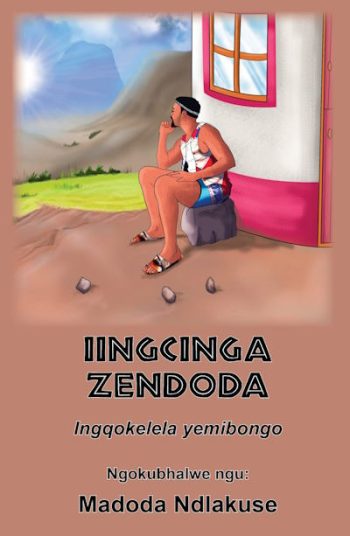
Iingcinga Zendoda
Le ncwadi yemibongo, ‘Iingcinga zeNdoda’ ichankcatha kwizinto ezisondeleyo kum ezimbanjeni. Ndingabalula kuzo uthando, ukungathandwa, inkathalo, umonde, ulwazelelelo, uxinzelelo, inkxalabo ngemeko-bume umntu azibhaqa ekuyo eyedwa erhangqwe lusapho lwakhe okanye lwakowabo nezinye ke bethu izinto esidibana nazo ebomini. Kukho ukukhula nokuxhokonxwa bubomi uthi usathi uyaphefumla suke kuthi gqi ubhubhane weCovid-19. Tsi! Bafondini izinto zomhlaba! Masifundeni nantsi imibongo ke nto zakuthi sitye sibhukuxe. Inkxaso yenu inene ixatyisiwe kakhulu eMdantsane kwikomkhulu lamanqindi.
“Imibongo ephuphuma ubom enikeza ithemba kwabo bantliziyo zidabukileyo, zikrunekileyo nezidakumbileyo. Funda uzivele mfundi, inene awuyi kukhohlwa uza kukholwa, indaba yotyelo ayikholi” (ilizwi likaMzoli Mavimbela, umhleli nombhali weencwadi zesiXhosa waseSajonisi). -
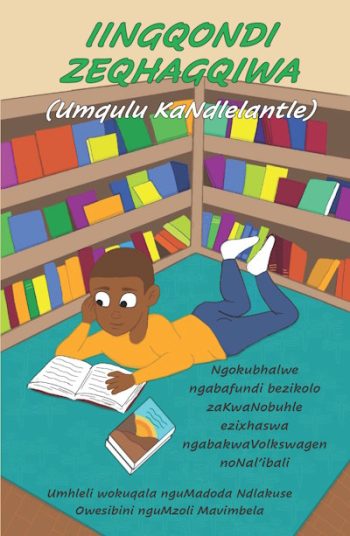
Iingqondi Zeqhagqiwa (Umqulu KaNdlelantle)
Abantwana bethu abalelanga kulelwe nje bona bayabhala. Kha wuzivele oko kuvela kwiintsuba noovimba babantwana abaphuma kumakhaya ngamakhaya alapha kwilokishi yaKwaNobuhle.Naba abantwana bephuma into ngomlomo besibonisa isizathu seenyembezi kwabaninzi bekwaxabangela umxoxozi wokomelela phezu kwazo nje iimeko ezibuhlungu abagaxeleka kuzo.Ubomi abunamfobe ke tana kodwa sekunjalo ezi mveku zisebenzisa usiba ukulwa nosizi zizingela iindlela zokuphila nokuqonda amajingiqhiwu obomi.
-
Impressions of Jeffreys Bay
A Photographic Journey through Jeffreys Bay
This book is not a commentary on Jeffreys Bay, past and present – it merely seeks to record the “Impressions” of many of the residents of and visitors to this wonderful town in the southern part of the Eastern Province.
The book is about presenting the sights and impressions of the town and is a sincere attempt to provide a glimpse of its soul, and to try to convey what it is that makes people come back year after year. -
Impressions of My Home Town
A Photographic Journey through Graaff Reinet
A review by Brett Adkins [The Herald, 16:11:2012]. Re-used for this 2nd edition [2019]
It may be known as the jewel of the Karoo, but this probing photographic take on Graaff Reinet reflects a very different wealth which the historical town undoubtedly possesses. Very much focussed on its structures – from the humblest to the ornate architecture of some of its most familiar buildings – the pictorial mostly moves right away from the grandeur of some of the latter, and finds many more many interesting, colourful gems in some of the community’s less privileged areas.
Born in Graaff Reinet, Mzuvukile Maqetuka clearly knows his hometown inside out and his camera moves through its dusty streets – and sometimes into more lofty vantage points- to capture the quiet and attractive nature of its lifestyle, without – remarkably – using any of its inhabitants to tell his story. Rather, it’s the shanties, homes, business, churches and other diverse facades which makes up collective snapshot – often forlorn-looking on the face of it, but rich in character.
His lens takes in the township of Umasizakhe in all its multi-layered complexity – and that throws it into a golden light. Indeed, shooting in light that enhances the most modest of homes that are often painted in cheerful shades like peach and turquoise, adds more depth and interest to this catalogue of structural studies. There are breaks from this journey when Maqetuka transports us to the dizzying heights of the Valley of Desolation and presents striking, strangely vibrant images of its unique rock formations, as well as an aerial-like shot of the sprawling town below.
It is a meandering picture story which anyone familiar with the haunting of many a Karoo town will find fascinating.
-
Impressions of St Francis
Photographic Journey through St Francis Bay & Cape St Francis
There are many other seaside resorts, so what is it about St Francis that has appealed to so many? Were you to conduct a survey among the homeowners, ‘sea’ and ‘surf’ and ‘fishing’ and ‘boating’ would crop up time and time again, but no two answers would be precisely the same.
So take a long glass and pour yourself a frosted drink. Settle back in your favourite chair. Now, while a passing zephyr cools your brow, study the images provided by local photographers. Look carefully to see if you can discover what it is that makes St Francis, despite the sea and the sand that it shares with countless other resort towns along the South African coast, so very special.
Bartle Logie
St Francis Bay -
In Quite Realm
This anthology by Lawrence Mduduzi Ndlovu, Soweto-born Catholic Cleric, lecturer, writer, poet, speaker and arts enthusiast, has the ability to reach out and touch almost every human emotion.
In Quite Realm evinces pride, respect, despair, joy and profound sadness.
It remembers and salutes past and contemporary South Africans, it lauds them as Africans: “These are Africans”, it says.
It is a recognition that “Life Happens”, especially in our townships, and is a tribute to life’s virtues.
It reflects the author’s deep and abiding faith, and, “In the End”, it forces us to confront our own mortality.
An emotional and satisfying read.
In this elegant, compact and complex poetry book, Father Lawrence tenderly yet determinedly escorts us through a fantastic maze of his journeys – spiritual, political and social.- Ambassador Lindiwe Mabuza – Diplomat, Poet, Academic, Cultural Activist.
“This is a homage to the spirit and soul of our birth, the glories, the dilemma and the blessings of the sun and soil of the mother country… Father Lawrence would have us remember to hold close in our minds and hearts all that we are, all that has made us, and all that we are empowered to be.” – Jessye Norman – 5 times Grammy Award-Winning Opera Star. -
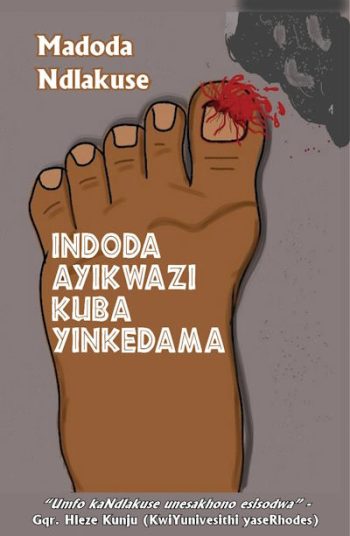
Indoda Ayikwazi Kuba Yinkedama
“Emva kokuyifunda, ndinambitha ubuncwane bayo, ndizive ndidanduluka ndisithi liyinene elithi ‘abantwana likamva lesizwe’ kuba ikamva lesizwe sethu, ngakumbi esi samaXhosa, liqaqambe kakhulu ngenxa yalo mbhali, osele ephum’ izandla, ewola namawonga ngamawonga ngenxa yokukhalipha kwakhe ekusebenziseni usiba, ebhala isiXhosa. Thatha ke iitshefu zibe mbini phambi kokuba uhlale phantsi, ufunde. Enye yeyokosula iinyembezi zentlungu, enye wokosula ngayo iinyembezi zolonwabo, ngenxa yoburharha balo mbhali.”
– Gqirha Hleze Kunju
(Umphathi kuBugcisa Bokubhala, kwiYunivesithi iRhodes.) -
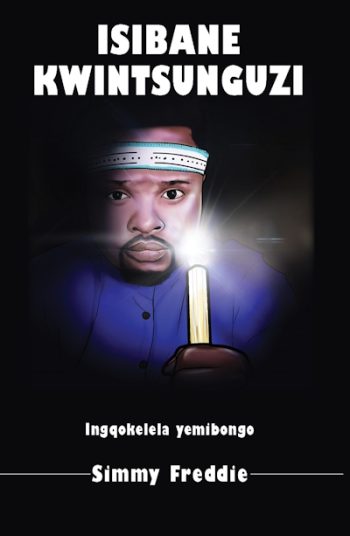
Isibane Kwintsunguze
Imibongo engamashumi amathathu ekule ncwadi iza kulilisa, incumise iphinde ifundise komdala nomncinane. Oyifundayo uza kuzibona ephila kwilizwe lombhali ngethuba ebebhala le mibongo ngalo. Yanga ngokuyifunda kwakho ungathunakala, ngaxeshanye ube unyangeka izilonda zomphefumlo. Nasi ke isibane kwintsunguzi okuyo. Khanyisa sona uzinyange, kutsho kudede ubumnyama kuvele ukukhanya!
“USimmy yimbongi, uSimmy yimboni kuba ngumfo ovuthelwe ngaphakathi okwendlazi; umf’ oqulungen’ okwerhamba. Whena! Wabulaw’ apho. Ude wayophula nkabi, kwakukudala kakade ndisithi ‘buya ekamereni kwa-Avbob Poetry uze kumakhwenkwe amakhulu’. Phantse yonke le mibongo iyimvula-mehlo, sisikhalo, kukophela ngaphakathi kwembongi ze kuphile omameleyo xa imbongi iziphalaza. Injalo ke inkokeli, kufa mnye kuphile baninzi. Mandingawafinci kuba kakade isigananda sifincwa ngamagqala. Nqikani nizivele, selani nibhukuxe, yeyenu le mvaba” (ilizwi likaMzoli Mavimbela, umhleli nombhali weencwadi zesiXhosa waseSajonisi). -
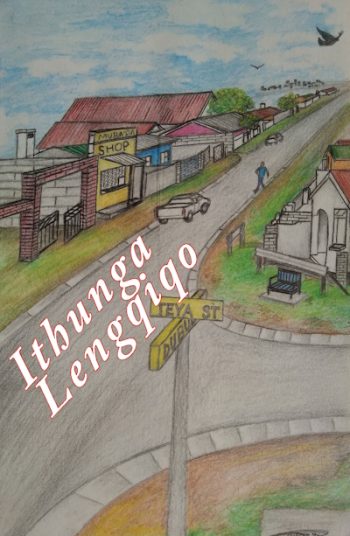
Ithunga Lengqiqo
“Imibongo elapha isukela ngexesha iimbongi namachule ethu ebon’ ilanga. Ungacingi ukuba kuphelele apho unani na kakade? Mfondini kutyhutyhwatyhutyhwa amaqhina neenduli ngobomi isakhono sisonke nantsika. Xa ndikuhlebela wena mlesi ndingathi lungisa intliziyo uyenze yomelele kunjalonje ngokuba kaloku iza kuxhumaxhuma uxakane nayo hayi nje kancinci. Ababhali basixeko saseGqeberha bekhatshwa ngomnye osuka eQhagqiwa babhoke isicuku bafun’ intw’ ibilapha. Ndizama ukuthi akufihlwa makhuba kulinywa kule incwadi. Inyaniso ikhutshwa ngobunjalo bayo. Ukuba isilonda sakho siyathunakala xa ulesa ikhona imibongo engumathunga kwalapha. Babhali baseBhayi ndinothulel’ umnqwazi inene. Chophani nithi nqwadalala niyonwabele. Ndiqinisekile ukuba nakumathala eencwadi le incwadi iya kubanencasa yevatala. Le ncwadi inene ikwelinye inqanaba.” (Ilizwi likaMadoda Ndlakuse – umhleli nombhali waseBhayi)
“Iimbongi ezineliso nomqaphela kwimiba edla umzi kaXhosa. Inene ababongi bayagqabhuza, whena! Wabulaw’ apho!” (Ilizwi likaMzoli Mavimbela – umhleli nombhali weencwadi zesiXhosa waseSajonisi) -
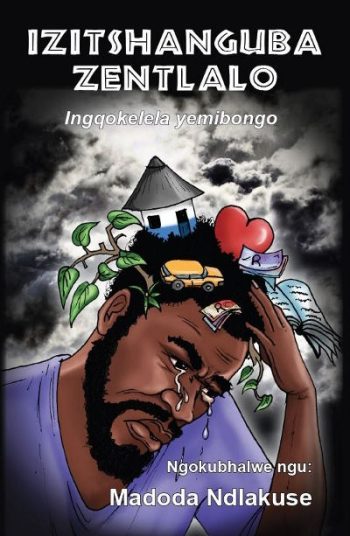
Izitshanguba Zentlalo
Izinto ezisingqongileyo ekuhlaleni inene aziyonto nje enokuthatyathwa lula. Ziliqela ke izinto ezisetyenziswa ngabantu ukuze banyange ezi zitshanguba zingakhethe mntu nasiduko nakufuma kwesipaji. Abantu abafana nam ke abayiyeki tu into yokubhala imibongo ukuze loo ntlungu ibangelwa zezo zitshanguba ikhe isuke nje kancinci ibaphe umtyhi.
Le ncwadi ibhalwe ngexesha lentlungu engathethekiyo kumntu wonke iCovid-19. Sithe sinemithwalo yethu kakade kwavele kwathi gqi isigebengakazi esishiye amakhaya eziintsalu. Andikwazanga tu ukungaphawuli ngale ntlekele apha, ngethemba lokuba niza kuyonwabela le ncwadi. Makutyiwe ke noko ngoku kudala oku kutya kubondwa.
“Imibongo ezoba imifanekiso-ngqondweni ngobuchule obungaphaya komlinganiselo. Yiva nje imibongo efana nale: NGASESPORWENI EDEAL PARTY, INDODA EHLAMB’ IZITYA, SOZE INDODA INGAKHALI (I) no (II), LIHLE IBHAYI EBUSUKU, IVILA LOMBHALI, EDUTYWA EDOLOPHINI ndibala ntoni na. Mna ndithi intlalo yethu izele zizitshanguba ezifuna ukucocwa. Njengoko le mboni yakwaZizi sel’ iyihlahlile indlela nathi babhali nabafundi masizeke mzekweni, singen’ efolweni sicoce ezi zitshanguba; izitshambuluka ke ngokwasemaMpondweni kuwe Lawundini” (ilizwi likaMzoli Mavimbela, umhleli nombhali weencwadi zesiXhosa waseSajonisi). -
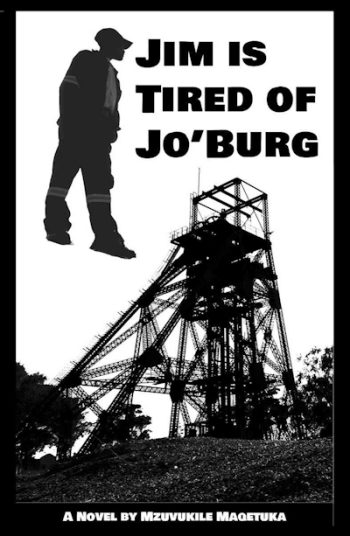
Jim is Tired Of Jo’burg
Repeatedly in the recent past, we have heard of a ‘Jim Comes to Jo’Burg’ mythology in the South African context. The author has deconstructed this myth, reversing it into a ‘Jim is Tired of Jo’Burg’ scenario, telling the story through his protagonist, Jim (Kgabalatsana Monare) aka “TM”, who has come to Johannesburg from his rural village of Dinokana in the Western Transvaal in search of ‘gold’. But, as time goes by, he gets sucked into and ultimately gets frustrated by the challenges of city life, to which a rural boy is unaccustomed. He tries to make a living as a miner and makes friends with the Indian tailors in downtown Johannesburg.
He leaves his place of employment on the mine to live in the township of Alexandra – a mass urban slum of the city of ‘gold’ where he commingles with life in a township. He meets his ‘to-be-lifetime lover’ Nancy Mabheka, who falls deeply in love with him – unfortunately for her, for when Kgabalatsana realises that he will not find the ‘gold’ that he came to the city of Johannesburg for, he decides to go back home to his village, leaving her behind. Nancy then follows him to a life that is enigmatic to her.
Reminiscent of Peter Abrahams’ Mine Boy, Jim is Tired of Jo’Burg exposes the reader to the challenges of urban and rural life in the South Africa of the time. Through pathos, joviality, the author takes us down the memory lane of life in the townships of South Africa in the 60s and 70s, and the choice that its people had to take – to be an urbanite or ruralite. -
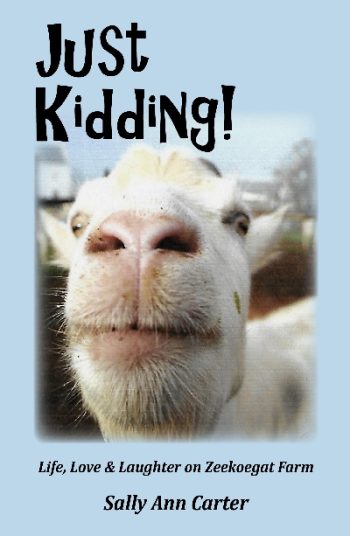
Just Kidding!
When Sally Anne (Sal) Carter – a social worker – and her husband David – a corporate accountant – decided to abandon the bright lights of Cape Town on David’s retirement and go olive farming, some of their friends thought they were mad. Others envied them!
In this collection of anecdotes, stories and vignettes, Sal Carter has captured the joys, sadnesses, trials, tribulations and triumphs of their 20 years on Zeekoegat Farm, just outside the small town of Riversdale, in a most enjoyable and very readable way.
Her descriptions of the characters and antics of their large and ever-increasing collection of farm animals and pets, especially her beloved goats and dogs, are as enjoyable and real as her stories of the interactions and relationships with their neighbours, staff, friends, family and the people of the town and the surrounding area.
Sal describes her forays into goat-milking, animal midwifery, cheese making, event organising and social work in an often self-deprecating and tongue-in-cheek way, sparing no-one, least of all herself.
Shining through it all is the support, guidance and love of her sometimes long-suffering husband, David.
A thoroughly enjoyable read! -
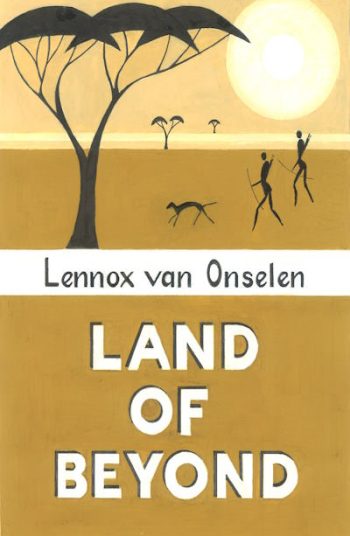
Land of Beyond
It is the mid-1960s in the Bechuanaland Protectorate, which is about to transition from British Colonial rule to self-government and independence.
Lennox van Onselen, WW II veteran, ex-policeman, author, part-time safari operator and adventurer, is about to embark on yet another expedition into the Kalahari in search of the fabled “Lost City of the Kalahari”, when his plans are up-ended, first by a recalcitrant truck, and then by having an eccentric American millionaire safari client, “CJ”, foisted onto him by a friend.
The story chronicles their adventures – and mis-adventures – on a safari which takes them the length and breadth of the territory.
Highlights include a cattle drive across the desert, a horse race meeting – Kalahari-style – and encounters with some of Bechuanaland’s legendary “characters” and its animal inhabitants.
The story of their travels in punctuated by the highly entertaining and detailed history lessons Lennox gives CJ about Bechuanaland.
A must for “Bechuana-philes”! -
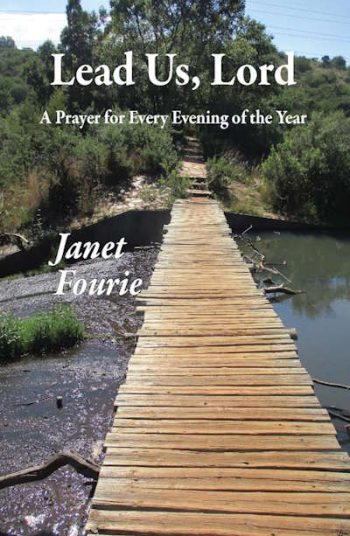
Lead Us, Lord
A Prayer for Every Evening of the Year
On a chilly Friday evening during the South African winter of 2021, deep into the very different time of the Covid-19 pandemic, God prompted Janet Fourie, retired teacher and grandmother, to write an evening prayer. It was short and simple, but it was the start of a ministry of prayer born of love for our mighty God whose grace is perfect and unconditional, and who calls us to love as we are loved.
Every evening, since that first short prayer was written, God has put a prayer into Janet’s heart, for herself, for family, friends, communities and often focused on issues in the wider world – she has no idea, each evening, what form the prayer will take and what words will be written, but she knows that she needs to be faithful and obedient and write the prayer every night, and pass it on to people who have asked her to do so, or to whomever God prompts her to send it.
As 2025 moves forward and with the evening prayer still coming to her every night, she has been led to put together a collection of prayers for each evening of the year, encouraged by many people who are close to her.
In 2018, Janet heard a call into lay preaching and began studying, at the age of 65, through the Methodist Seminary of Southern Africa. -
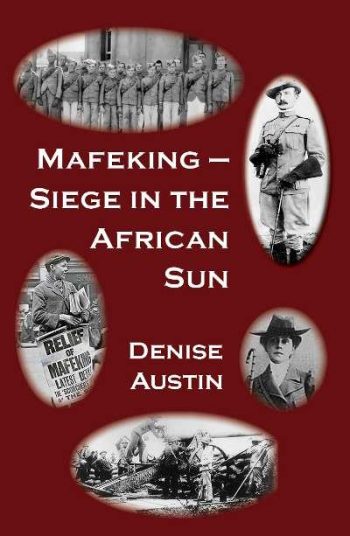
Mafeking – Siege in the African Sun
Denise Austin spent some of her early formative years listening to her grandmother Ida May’s stories about her life as a child during the Siege of Mafeking during the Anglo-Boer War of 1899.
She has long wanted to write a book, incorporating some of her Granny’s stories, and this is the result.
It is primarily a work of fiction, documenting the lives a typical ‘Settler’ family in the town during the Siege, but also an historically accurate ‘journal’ of the day to day happenings during the course of the Siege.
This combination of styles makes for a fascinating read into a period during which the eyes of the British Empire were focussed on this dusty little town on the edge of the Kalahari Desert, in one of the remotest areas of South Africa.
As a bonus, she gives us a look at two of the most colourful charachters of the Siege – Colonel Robert Baden-Powell, later founder of the world-wide scouting movement, and Lady Sarah Wilson (née Churchill, aunt to Winston Charchill), who became one of the world’s first female war correspondents. -
Mathematics Rocks
Welcome to the third book in the new series of Grade 4 study guides in the School Rocks Range. This book contains information on the Mathematics curriculum for Grade 4. It is designed to assist teachers, parents and learners, with an emphasis on the home-schooling environment.
This book contains information on the Mathematics curriculum for Grade 4. The material in this book is aligned to the National Curriculum and Assessment Policy Statement (CAPS) of the South African Department of Basic Education.
-
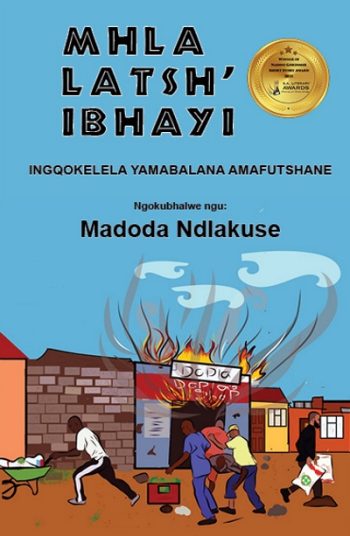
Mhla Latsh’ Ibhayi
Isihloko sale ngqwebo sithi, ‘Mhla Latsh’ iBhayi’ into ethetha ukuba kuza kwaziwana. Nangona kusaziwana kunjalo ke, ubukhulu becala amabali la ayacaca ukuba umbhali ziingontsi namasuka-ndihlale ahlangene nawo kulaa mimandla ikuMneno-Nciba kwatsho kwaqandusela la mabalana angcathu ancindi ivuzisa izinkcwe. Ubukhulu becala ngamabali la ayimvula-mehlo ukuba, ‘okuze buponi kotshabalala, okuze ngamathontsi kozinza,’ njengoko oko uya kukufumanisa kwimixholo yamabalana afana no‘INENE ULUNTU NGEZISULU’. Akhona amabali oya kuwafumanisa esityhilela izizeka-bani zoxinezelelo lwengqondo kubani, ngenxa yobugewu awathi wabhungca ngezikaSibi kubo, mabali awo afana no‘ENDLELENI EBUYA E-ADDO’. Masingafinci ke bantakwethu, nqikani nizifincele. Kakade iqwela nesigananda sifincwa ngamakhwahla namagqala.
“Amabalana anonambitheko okomsindleko kumhambi, adiza ilihlo lokhozi kumbhali olirharha nonosiba olunyumbazayo. Ebalisa nje uyahlekisa kodwa uyafundisa. Mna ndithi qha, Zizi elimnyama neenkomo zalo zabalaza mzala womntu amathunzi anabile kukud’ eBhayi, malitsh’ iBhayi!” (ilizwi likaMzoli Mavimbela, umhleli nombhali weencwadi zesiXhosa waseSajonisi).‘UMhla Latsh’ iBahyi’ uphumelele iMbasa yamaBali amafutshane kaNadine Gordimer yowama-2021
-
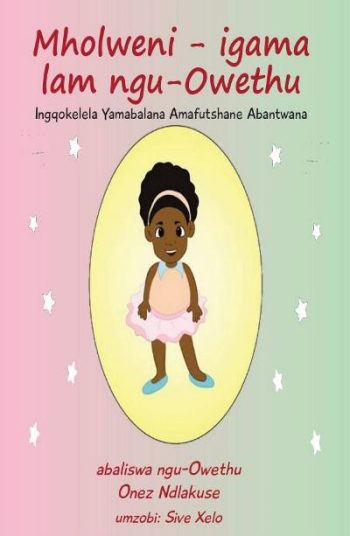
Mholweni – igama lam ngu-Owethu
Le ngqokelela yamabalana amafutshane abantwana iyonwabisa kwaye ivula amehlo kwiintsatshana ukuze zihlale zivundlile okomvundlana othile, eqakatha eqakatha engena entsimini. Emafutshane enjalo amshiya elenceza ulwimi umfundi kube ngaske bekungabaliswa kubhekwe phambili. Fundani nizivele.
“Mholweni igama lam ndinguMzoli, ndiza kuba poni ke kuba nombhali ondibalisela kamnandi namhlanje – u-Onez ushort and sweet. La mabali embalwa enjalo amnandiswa kakhulu nayimizobo ebalisa ibali yona kuqala. UZizi uzizele apha ku-Onez, akachulezi, gxebe akacikozi lho mntakaZizi sundifundekela! Le ncwadi ubumnandi bayo bundikhumbuza ekaGqirha Sindiwe Magona ethi, ‘Cula’. Khuphani iisenti zenu ke ‘niculele ibank account’ ka-Onez atsho akhuthazeke abhale nangakumbi, akhule abe njeyaaa kuncwadi. Tshisa Onez kwezo ndawo maan!” (ilizwi likaMzoli Mavimbela, umhleli nombhali weencwadi zesiXhosa waseSajonisi). -
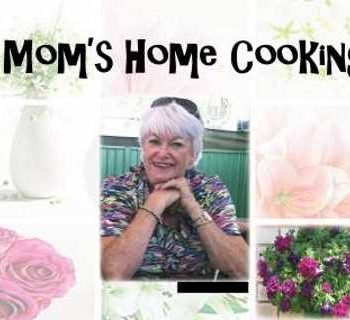
Mom’s Home Cooking
Most of us have fond memories of food from our childhood. Whether it was our Mom’s homemade rusks or favourite chicken dish, food has a was of transporting us back to the past.
I decided to put this book together to help us remember her where she seemed to be happiest – in the kitchen cooking for the family. Mom enjoyed meeting people, especially if they had an interest in food, sharing ideas and recipes with them, and this book is proof of that.Sharon Tennant
-
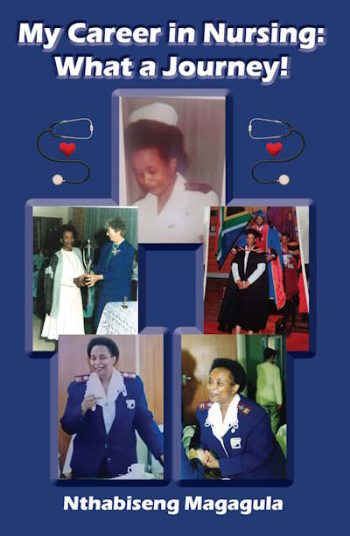
My Career in Nursing: What a Journey!
Nthabiseng Magagula (Born Tsiu) is a Nurse by profession, and this is her story.
Her training started in 1970, and she retired in 2022, way past the normal retirement age – more than 50 years of dedicated nursing.Always aiming to improve the quality of her service to her patients, Nthabiseng embarked on several professional courses, starting with Midwifery and Paediatrics and picking up a BA Cur and Master’s degree along the way, as well as qualifications in Infection Control and Biotechnics. This constant drive to improve herself, and her commitment to care for her patients (instilled by her mother) led to her receiving numerous awards and rising to senior management positions in the Public Health Sector. Following her retirement from the Public Sector in 2008, she worked with a number of Health NGOs in support of Public Sector health Districts with regard to HIV and Antiretroviral rollout programmes, and was closely involved with those NGOs’ support efforts during the COVID-19 pandemic. Nthabiseng has served on a number of boards and Committees, including the Nursing Association, which is now DENOSA, as well as the Cancer Association, the Lesedi Centre of Hope for HIV Management Committee, the Victim Empowerment Centre, and the Nursing Council Appeal Committee. She is a devout Catholic, and a long-standing and active member of the Catholic Women’s League.
-
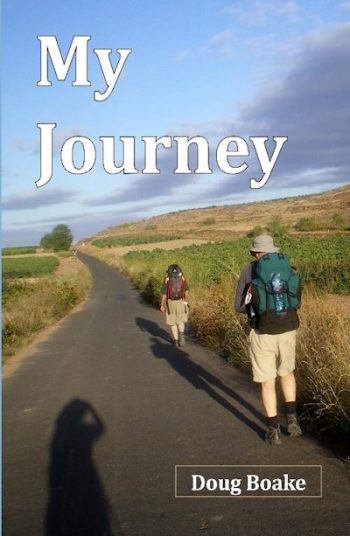
My Journey
“After more than 20 years of democracy, our Rainbow Nation must still face up to the harsh reality of corruption by politicians, a lack of ethics and poor governance by big business and incompetency and dishonesty
in our justice system.”
My huge dilemma over the past six years was whether or not it was prudent to publish “My Journey” with all the role players mentioned in the book still out there in the public domain.
But I feel that the time has come to tell our story of wrongful criminal charges and civil claims against us lasting more than ten years.
We South Africans have had enough!
Each of us must do something if our country is ever to move forward.
I believe each of us must make a stand, no matter how small and whatever the personal cost, to make South Africa a better and safer place to live in, to earn a living and bring up our families.
– Doug Boake -
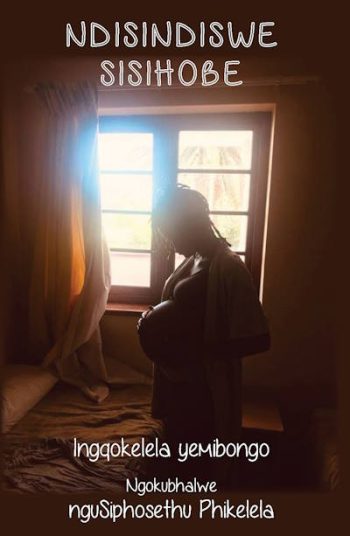
Ndisindiswe Sisihobe
Ndimncinci ndimngaka, endidlule kuzo zibubukhulu bungaphaya kweZulu. Ndingabalula ni na, ukuntlontwa, intakatho, umona, ukubangaphantsi kwimo yentlalo kunye nokuxhatshazwa. Kuzo zonke ezo mpi ndiphume ndiliqhawekazi ngokuncedwa sisihobe, ukuthetha nokuphikisana nobumnyama, uburhalarhume obuvame ukubasisiqhelo kwabamiqolo igoso. Kazi nisikhomba phi na xa nisithi masibuyel’ eMbo? Zingcamlele nawe ngokwakho kulo mbele womXhosakaz’ ongagxunyiswa nditsho nazizixhiliphoth’ eziqamele ngamaxhwele.
“Yonke imibongo yale mbongi inamandla kwaye iya kuchukumisa izazela iphilise nezizwe.”
(ilizwi likaMzoli Mavimbela, umhleli nombhali weencwadi zesiXhosa waseSajonisi) -
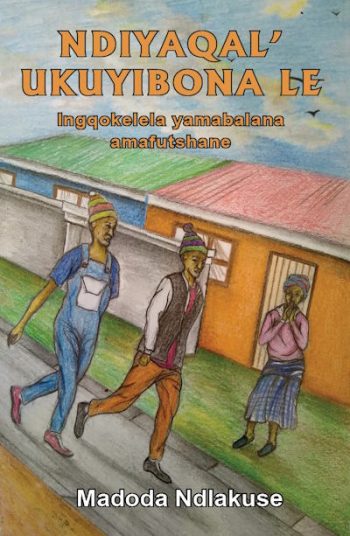
Ndiyaqal’ Ukuyibona Le
Le yincwadi yamabalana amafutshane neye yachaphazela kanobom imiba enobuzaza phakathi koluntu. Umbhali ukhupha imbilini yakhe engagogotyanga lutho ngezinto eziliqela esithi sityhubele kuzo kwiindawo esihlala kuzo. Bali ngalinye liyakholeleka, lidlwengula umxhelo likwadlikidla nesimo sengqondo esimele sibe naso kwizinto ezisingqongileyo nesizibona qho. Umbhali ukholelwa ekubeni la mabali anako ukukhulisa iingqondi ezithe qwa kwaneencoko ezakhayo eluntwini.
“Ewe izinto azifani nyhani Zizi kwaye nam ndivuleke amehlo njengontlalontle, kunjalonje ndiyifince nzima iediting yale ncwadi ngoba bendimana ndisima ndibe nomsindo nokuchukumiseka kwezinye iindawo. Mandicaphule ibali lokuqala – kulusizi ukufumanisa ukuba amanina athile, hayi onke, ayabankula abayeni bawo abababona njengamabunga, emva kokubakhukhuza ubutyebi neemali zabo. Isiphelo sikaNgwadluma sokugajuzwa ngumnk’ akhe, de awe qikili phantsi abhubhe abantu bejongile ngenxa yoxinizelelo lwengqondo sindichukumise kakhulu Zizi. Akwaba ke la mabali amnandi kangaka, nayimvulamehlo yokuba ‘ezi zimanga sizenzayo siluluntu masiziyeke’ angaselwa iso sithi ngokuba kaloku, ‘zigqitywa kuhlwile zibonwe liwuhlabile’. Tshotsh’ ubekho sekaMila noOnez.” (ilizwi likaMzoli Mavimbela, umhleli nombhali weencwadi zesiXhosa waseSajonisi). -
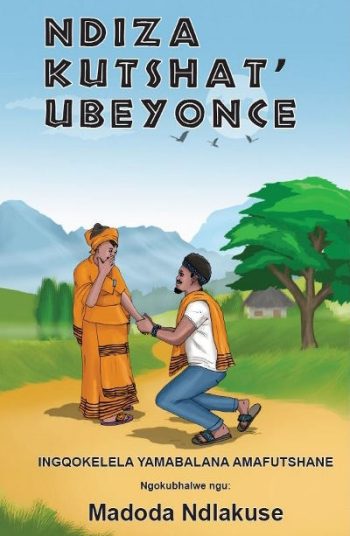
Ndiza Kutshat’ Ubeyonce
Le ngqokelela yamabalana amafutshane iphicotha imibandela yokuhlala embaxa nexananazileyo. Imalunga nezigqibo ezithatyathwayo neziphumo zazo. Igubhulula izinto ekungafane kuthethwe ngazo. Injongo yombhali ngokwenza oko ‘kugubhulula’ kukwakha, ukulumkisa nokukhulisa ukuba ziingqondi kwethu bafundi beencwadi. Yifunde kunjalo nje soze uzisole.
“Liphinde labuya iZiz’ elimnyama neenkomo zalo, gxebe iincwadi zalo, kaloku akufuywanga eGqeberha, gxebe eKariyerha. Hahaha! Ndiyakudlalisa Dlamini mbhem eeh, awudlaliswa na wena uyimali? Okwam kuncinci kukuthi nje nam ndizitshatele uBeyonce wam ngamava endiwafunde kumabalana athi, “UNOMAKHENYA” nelithi, “NGUMNTU WAPHI LO?” nawe khawuzikhangelele owakho uBeyonce kolu cwambu lwamabalana amade kodwa angengomdintsi wendinisa etsho ngomsina-ndozele ekwenza ulibale isiqalo nesiphelo sebali. Hamb’ uhambe Zizi ungabi sabhek’ emva mbhem.” (ilizwi likaMzoli Mavimbela, umhleli nombhali weencwadi zesiXhosa waseSajonisi). -
Nganeno Komlambo Iqhagqiwa
Le ncwadi ikhupha uvimba ovela kwiintsuba zabantwana abaphuma kumakhaya ngamakhaya.
Ngamachule la ekudandalaziseni iimeko zabo zemihla ngemihla. Khawusondele nganeno komlambo iQhagqiwa ufumane isihlalo uchophe ze ufunde le ncwadi. Andiqondi ukuba uya kuzisola ngaphandle kokuba awuthandi ukuphulaphula ilizwi labantwana.
(Ilizwi likaMadoda Ndlakuse – umhleli nombhali waseBhayi)
Uhlobo loncwadi olunqabe kakhulu apho usatshana oluselula lunikwa khona iqonga lokuphalaza imbilini yalo ngale ndlela luziva ngayo. Ingumxube wesiXhosa nesiNgesi nemizobo injalo, ityebe iteketeke; zisikeleni izihlunu eziya kunihluthisa kulo mbengo babhem, mna sendihluthi mpuu.
(Ilizwi likaMzoli Mavimbela, umhleli nombhali weencwadi zesiXhosa waseSajonisi) -
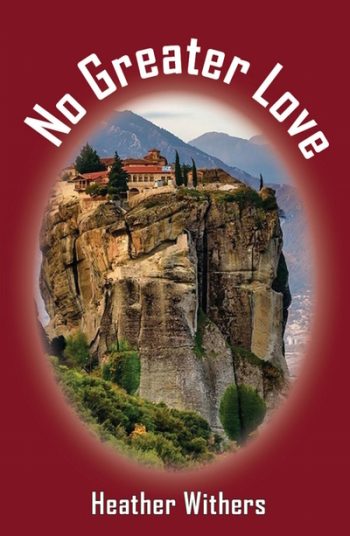
No Greater Love
A Powerful novel of compassion, humanity and courage during the Nazi occupation of Greece in World War II. A group of contemplative Orthodox sisters in a remote monastery on a mountaintop in Thessaly look after a downed British fighter pilot and a group of refugee Jewish children.
A dashing young British pilot is shot down by one of the Luftwaffe’s formidable Messerschmitt Bf109s while in combat over Greece during World War II. He finds himself in the grounds of a monastery, high up on the Meteora in Thessaly.
The strict Orthodox Sisters, whose lives were centred on prayer and meditation, find themselves in a quandary, having this wounded airman among them.
Life in the monastery is further disrupted by the arrival of twelve Jewish children, requiring refuge from the relentless pursuit of Hitler’s Wehrmacht soldiers.
The story unfolds with their ingenious methods of survival as they desperately try to protect all they hold dear.
Loyalty, love and devotion are severely challenged against the backdrop of the horrors and tragedies of war-torn Greece. -
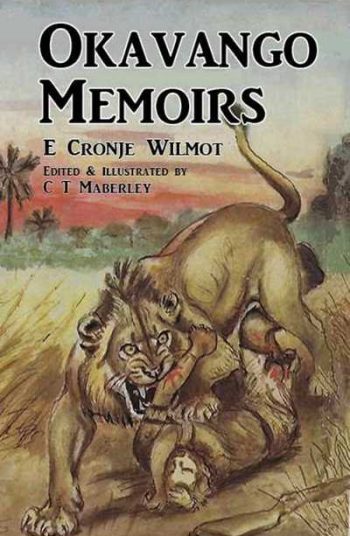
Okavango Memoirs
Mauled by a lion, charged by buffaloes, frightening encounters with crocodiles, bitten by snakes, alone in a deep, dark cave
with a wounded leopard, victim of bubonic plague…
These are just some of the experiences of stock farmer-turned-Tsetse Fly Control (T. F. C.) Officer and Ranger, E Cronje Wilmot, in the Okavango Delta in north-western Botswana, then the Bechuanaland Protectorate, in the mid-1940s.
These experiences were documented in Wilmot’s 1956 best-seller “Always Lightly Tread”, which has now been re-released as “Okavango Memoirs”.
It was not all high adventure though. Mr Wilmot was a born naturalist and a keen observer of nature – his descriptions of the Okavango Swamps – its myriad inhabitants, both animal and botanical, its moods and seasons – give us a wonderful insight into this vast and mysterious wilderness area that is still valid today.
E Cronje Wilmot was the first of the “Okavango Wilmot Dynasty”. His son Bobby was a well-known crocodile hunter in the Okavango in the 1950s and 60s, before turning to photographic safaris. Cronje’s grandson Lloyd, hunter turned conservationist and professional safari guide, has delighted hundreds of visitors to the Okavango over a period of 46 years.
Mr. Wilmot casts a spell. Despite being badly mauled by a lion, contracting bubonic plague, experiencing many frightening encounters with crocodiles, buffaloes, and deadly reptiles, his love and respect for nature is clear. The numerous graphic descriptions of wildlife in the book will entertain all outdoors lovers.
The Rhodesia Herald – December 1956 -
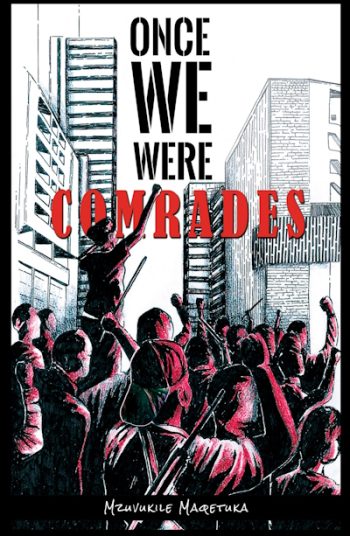
Once We Were Comrades
Liberation struggles are born first out of necessity
Any populace facing the unjustness of a colonial government, or the strictures of a dictatorial state, will eventually rise up to overthrow these heinous regimes.
But a liberation movement’s most challenging times often follow once the fighting is over and governing begins.
“You might think that deposing the Adema regime is a difficult task. But wait until Azamata is free and you are in government, then you will realize that fighting for freedom is far less difficult than maintaining it,” says Lexington Mawewe, the founding father of the Azamata Revolutionary People’s Party (ARPP) in Maqetuka’s new revolutionary saga, Once we were comrades. Both a valuable and highly readable addition to the struggle lexicon, this novel underlines how the high-minded and righteous ideals of liberation movements can founder on the shores of broken promises; if the people’s expectations of improved living conditions are not met.
And this pitfall, plus a disconnect between the values and policies of the ARPP’s old guard and an ambitious new leader — who eventually takes the party to government in Azamata — form some of the book’s main themes.
Yet, there is also much intrigue in-between. From freedom fighter Tornado Mdumbe’s heroic antics to the tragedy that befalls young Thole Msibi, the drama does not let up. -
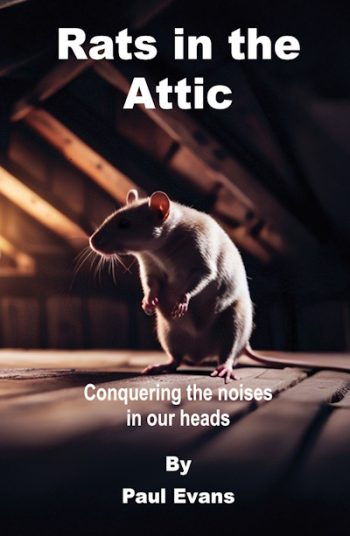
Rats in the Attic
Rats in the Attic was written after the Author suffered major mental trauma over 15 years ago. It was during his initial stage of recovery he was inspired by books on the subject of mental illness and through counselling by a dear friend and pastor, he was inspired to take up the challenge of writing this book. Paul’s hope is that this book reaches as many sufferers as possible.
Paul will donate a minimum of 25% of the proceeds of the sale of the book to help other people struggling with mental illness, and in these very uncertain times, helping people and families to make ends meet.
By purchasing a copy of the book and sending it to someone you know who is struggling, you can do your bit to help reduce mental health issues. Paul, and the recipients, will welcome your generosity.
For more information and details of how you might also help out, please go to www.ratsintheattic.org -
Recipes from a Mother’s Heart
René Walker is an Afrikaner child of the Eastern Cape, born, raised and educated in Port Elizabeth. Her earliest memories are of her mother cooking boerekos, and even then, she had a discerning palate, which her mother called “fiemies”, which would stand her in good stead in later life.
After a lifetime dedicated to cooking and catering, René has produced a colourful, family-orientated little recipe book, filled with a diverse collection of great recipes which both reflect her love for cooking and her joy in providing good food for her family, friends and clients.
The recipes are an eclectic fusion of good, solid traditional fare and modern dietary and health needs and influences. Her love for family and the satisfaction she gains from cooking for them is reflected in little comments throughout the book, such as “Steven’s best”, and “David’s favourite”. There are also personal little tips and hints throughout the book, which gives it an intimate, family feel.
This special book will, in René’s words, “inspire you and enable you to rejoice with us on our loving journey through the creation of fine food”.